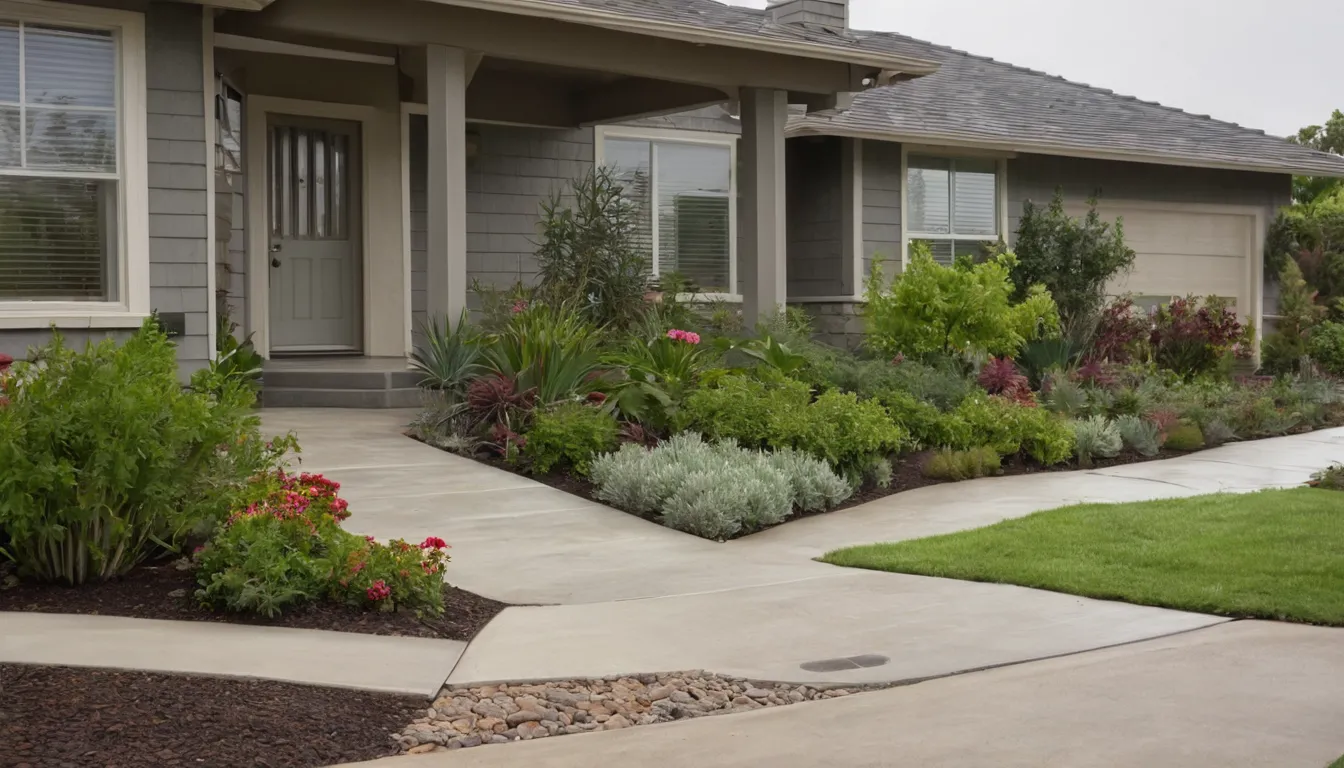
Need stamped concrete services in Elk Grove?
Request a callback to discuss a new driveway or patio and check provider availability. Prefer writing? Share your project through the estimate form.
No obligationStamped concrete can give a new outdoor surface the look of stone, brick, or wood without using individual pieces. But the pattern is only part of the decision. Base preparation, drainage, joint placement, color, and texture all affect the finished space. Answerrelation Concrete connects homeowners in Elk Grove with independent local providers for new stamped concrete projects. The provider evaluates the site, explains the proposed work, and supplies the estimate.
A lot of people think choosing a design settles the difficult questions. In practice, useful conversations start with how the space drains and how you plan to use it. This page helps you compare answers, understand the work sequence, and read a proposal with fewer assumptions. Ask providers in our network to explain their preparation and curing plans alongside their pattern and color options.
Planning a new stamped surface? Resolve the pattern, color, drainage, and access questions before booking the pour. Concrete has a limited working window once placed. Changing the design during finishing can disrupt the sequence. Request a callback to check provider availability for a new stamped concrete project in Elk Grove.
A scheduled date still depends on suitable conditions. Winter rain can affect site preparation, while dry air and wind can change how fast the surface loses moisture. Ask the provider what forecast conditions would trigger a postponement and how they would explain a revised schedule before materials arrive.
Stamping is not a decoration added to hardened concrete. The provider places and levels the concrete, prepares the surface, and presses patterned tools into it while it remains workable. Timing affects how clearly the texture forms. Ask how the provider judges readiness instead of expecting a fixed hourly timetable.
Looking solid does not mean ready for normal use. During the first days, curing and protection matter more than appearance. Ask for written instructions covering foot traffic, furniture, pets, watering, and barriers. The provider should explain the method used and give access guidance suited to the concrete and conditions.
Decorative concrete is still concrete flatwork. A detailed proposal should describe excavation, base material, compaction, slab thickness, reinforcement where specified, and drainage. A thickness figure alone leaves much unanswered. Ask how the provider checked ground conditions and what would happen if unsuitable material appeared during excavation.
A textured finish cannot correct poor drainage. Ask where rainwater will travel and how the new surface will meet doors, steps, and existing paving. Around older homes, thresholds and foundation clearances deserve attention. A useful answer identifies elevations and discharge routes rather than simply saying the surface will slope.
Stamped concrete can crack, even with thoughtful preparation. Joints help manage where some cracking occurs; they do not eliminate every possibility. Discuss joint locations before approving the layout. Ask how they relate to corners, narrow sections, and the stamped pattern, and who decides their final placement.
A small sample can hide how busy a pattern looks across a whole outdoor space. Ask to see the proposed stamp size and layout. Broad stone patterns, brick shapes, and wood textures create different effects. Consider how the pattern will meet edges and whether tight corners require awkward cuts.
Concrete color can vary with materials, finishing, curing, and light. Ask whether the proposal uses integral color, surface color, an accent treatment, or a combination. View samples outdoors if possible. A provider should explain likely variation and how sealer may change the appearance, rather than promise an exact screen match.
Deep texture may look appealing but feel uneven under chair legs. A smoother finish may raise different questions when wet. For stamped concrete patios, describe bare feet, outdoor dining, and nearby water sources. Ask how the chosen texture and sealer suit those uses, including whether a traction additive is appropriate.
Stamped surfaces can suit courtyards, garden seating areas, and outdoor dining spaces. With stucco walls or a modest bungalow, a restrained pattern may give the setting enough detail. Ask how borders, existing steps, and narrow access points affect the layout before committing to an elaborate design across the entire area.
Stamped concrete creates its pattern in a continuous slab; pavers use separate units. That difference affects joints, movement, maintenance, and future access beneath the surface. Individual pavers may be lifted for some work, while changes to stamped concrete can leave visible differences. Compare written scopes using the same area and preparation assumptions.
The project may include site assessment, excavation, base preparation, forming, placement, stamping, curing, cleaning, and sealing. These steps do not all happen together. Ask which stages need separate visits and what controls the gaps between them. Mild coastal temperatures do not remove the need to follow product instructions and site conditions.
Ask for cleaning and resealing guidance before choosing the finish. Grit can wear exposed surfaces, and leaves or spills can leave marks. During wildfire smoke seasons, ask how to clean deposited ash without harming the finish. Resealing needs depend on exposure, use, and the product; more sealer is not automatically helpful.
A clear answer connects a choice to your site: where water goes, why a base is specified, or how furniture affects texture selection. Vague preparation allowances, missing joint details, and pressure to approve colors without samples deserve follow-up. Ask who handles each stage and who answers questions during the project.
This referral page is for new stamped concrete work. Concrete driveway repair and assessments by foundation repair experts involve different needs. If you suspect structural movement, describe that concern before requesting decorative work. A pattern cannot resolve an underlying structural issue, and the provider should clarify the limits of the proposed service.
Share approximate dimensions, site photos, access limits, intended use, and a few design preferences. Answerrelation Concrete connects homeowners across the Elk Grove area with independent local providers; the provider determines scope, pricing, and scheduling. Request a written estimate that names the preparation, finish, exclusions, payment stages, and care instructions before deciding.
Discuss stamp size, borders, and layout with a local provider before approving the design.
Ask how base color, accents, and sealer could change the appearance of your selected sample.
Review excavation, base preparation, drainage, and joints so the decorative finish has a clear plan.
Request instructions from the provider for curing, access, cleaning, and maintaining the chosen sealed finish.
These are typical U.S. planning ranges, not local quotes. Costs vary by size, access, preparation, and design. Ask the provider for a written quote identifying included work before comparing totals for your project.
| Item | Typical U.S. range | Notes |
|---|---|---|
| Simple stamped finish | $10–$16 per square foot | Basic pattern and limited color; site preparation affects totals. |
| Multiple colors or borders | $16–$22 per square foot | More layout and finishing work. |
| Detailed custom design | $22–$30+ per square foot | Complex patterns and hand detailing can add labor. |
| Existing surface removal | $2–$6 per square foot | Ask whether hauling and disposal are included. |
| Separate sealing work | $1–$3 per square foot | May already be included in the installation quote. |
| A 300-square-foot stamped area | $3,000–$9,000+ | Illustrative total; difficult access or added site work can increase it. |
Share dimensions, photos, access concerns, and how you want to use the new stamped area at home.
Answerrelation Concrete refers your project request to an independent local provider for discussion of scope and availability.
Ask the provider to explain preparation, pattern choices, drainage, joints, and exclusions in a written estimate.
Confirm finish selections, payment stages, access arrangements, and curing instructions directly with the provider.
Answerrelation Concrete handles the referral; an independent local provider evaluates and performs the work.
Approach provider conversations with specific questions about preparation, appearance, drainage, and project timing.
Look beyond the total price to compare materials, included work, exclusions, and care.
Understand color variation, joint placement, and curing before committing to a decorative surface.
Request a callback to discuss a new driveway or patio and check provider availability. Prefer writing? Share your project through the estimate form.
No obligationIt can be, depending on texture, sealer, and conditions. Tell the provider how the area will be used. Ask about wet traction, suitable finishes, and whether a traction additive fits the selected product.
Use the provider's written guidance for your project. Concrete curing and sealer readiness are separate considerations, and weather can affect both. Ask for a specific furniture placement date and whether heavy items or dragging could damage the new finish.
No. Answerrelation Concrete is a referral service connecting homeowners with independent local providers. The provider assesses the site, quotes the project, performs the work, and explains scheduling, payment terms, and care requirements directly.
Request a callback to discuss a new driveway or patio and check provider availability. Prefer writing? Share your project through the estimate form.
No obligation